Cholelithiasis. What is the history of the development of methods of treating the disease?

The history of the practice of treating gallstone disease is not as long as one might think. Until the end of the 19th century, doctors could not cope with this disease. In those days, therapists were engaged in the treatment of this disease, and their methods were not particularly ingenious. The most famous center for the treatment of gallstone disease was a city called Karlbarg, which was located in Germany, and the main emphasis in the cure was directed to the use of medicinal Karlsbad water. In most clinical cases of jaundice or cholecystitis, the outcome of the course of the disease ended in death.
As a result, with the acquisition of knowledge and the practical application of the methods of that time, more and more attention began to be paid to deaths associated with gallstone disease .
In particular, the doctor, director of the Lazarus clinic in Benrlin, Professor Karl Langenbuch, on the basis of long-term observations, came to the conclusion that the stones that form during this disease are located precisely in the gallbladder, but not in the liver, as it was previously assumed. And, after conducting numerous experiments and experiments on corpses, he found that the removal of the gallbladder is a more effective method (at that time) in the fight against this disease. The first operation to remove the gallbladder was performed by him successfully in 1982. This operation was performed on a patient suffering from terrible attacks of cholelithiasis for 16 years, which was a revolutionary breakthrough in the history of mankind in the fight against this disease. The patient was recovering quickly, and was discharged after a couple of months.
After this discovery, operations using an abdominal incision were carried out everywhere to remove the gallbladder, which became the only and main method of treating the disease. This method, unique at that time, became a classic of surgery, and lasted another century, without any changes.
The current method of surgical intervention to remove the gallbladder, namely, laparoscopic cholecystectomy, began to be used, was discovered in 1985. And, the discovery was made again by a German scientist, Erich Muhe, who worked in a clinic in the city of Boblingen. The great advantage over the previous method of performing the operation was undoubtedly the cosmetic effect of the suture. But let's not forget that after removal of the gallbladder, diseases such as stomach ulcers, pancreatitis, duodenal ulcers, frequent stomach and intestinal disorders, and obesity of the liver (steotosis) can develop. Due to the "incomplete" digestion of food in bile, people often gain excess weight, which in some cases leads to obesity.
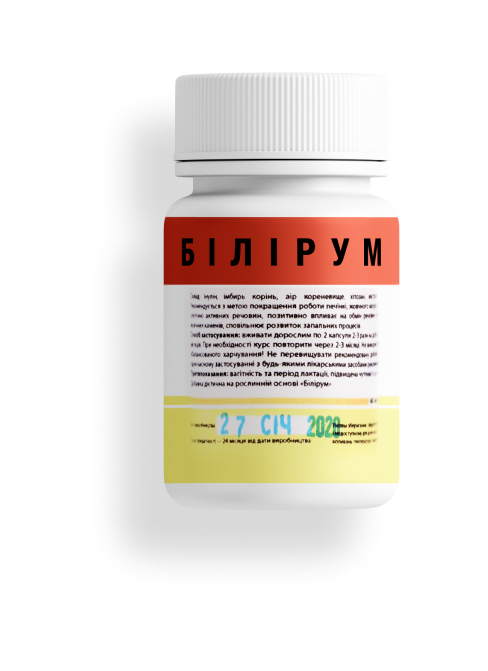
In addition, medicine has evolved over the years, and other types of treatment have appeared, which largely contributes to the preservation of the gallbladder. The most effective method (as shown by the last 6 years) is the innovative drug Bilirum, which is able to painlessly break down calculi in the gallbladder of any chemical composition (calcium, phosphates, cholesterol stones). You can learn more about this drug on the website: amed.net.ua